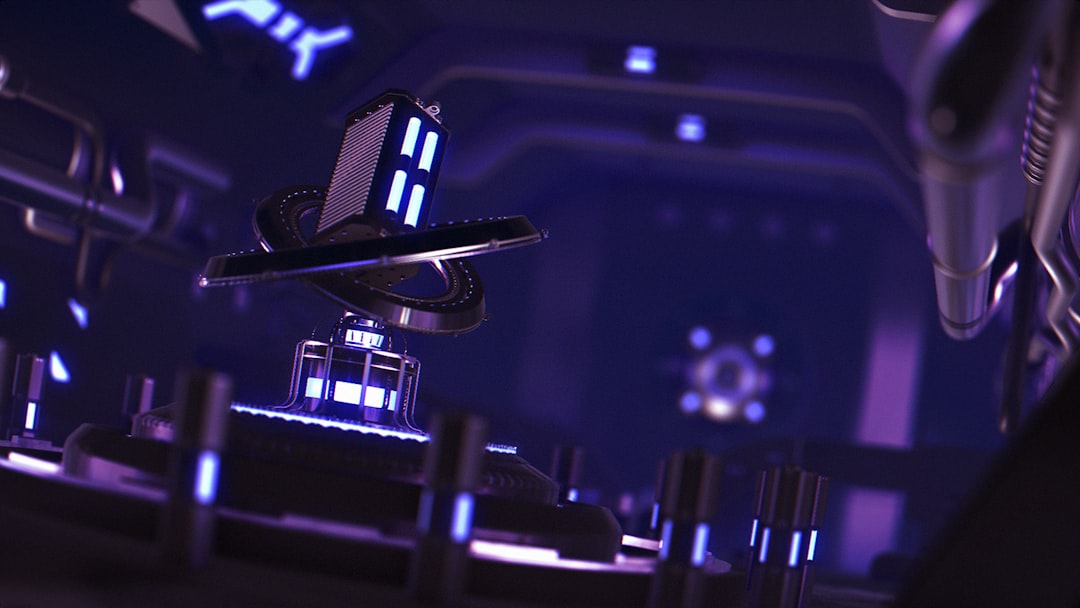
Animation is more than just moving pictures—it's visual poetry, technical wizardry, and emotional storytelling combined into a seamless experience. Creating interactive animated micro series adds layers of complexity that traditional animation doesn't face. Today, we're pulling back the curtain to reveal the intricate process that brings our vibrant worlds to life.
The Journey Begins: Concept and Story Development
Every great animated series starts with an idea, but in interactive storytelling, that idea must encompass multiple narrative pathways from the very beginning. Our writers don't just create a single story—they architect entire story ecosystems where different choices lead to unique but equally compelling experiences.
The concept phase involves extensive brainstorming sessions where writers, directors, and interactive designers collaborate to map out the story's branching structure. We use sophisticated flowcharting software to visualize how choices connect, ensuring that no matter which path viewers take, they experience satisfying character arcs and narrative payoffs.
Story Philosophy
We believe every branch should feel intentional, not arbitrary. Each choice point represents a genuine crossroads where different values or strategies lead to meaningfully different outcomes, not just cosmetic variations.
Character Design: Bringing Personalities to Life
Character design in interactive animation presents unique challenges. Our characters must be expressive enough to convey complex emotions across multiple story variations, yet distinctive enough to remain memorable in brief episodes. The design process typically unfolds in several stages:
Concept Sketches
Our artists begin with dozens of rough sketches exploring different visual approaches for each character. We consider how the character's design reflects their personality, role in the story, and the overall aesthetic of the series. A mysterious mentor might feature flowing robes and angular features, while a comedic sidekick could have rounded shapes and exaggerated expressions.
Color Scripts
Color isn't just decorative—it's a powerful storytelling tool. We develop color scripts that establish emotional tones for different story paths. A choice leading toward danger might gradually shift the palette toward cooler, darker tones, while hopeful paths maintain warmer, brighter hues. This subtle color evolution helps viewers unconsciously track the consequences of their decisions.
Expression Sheets
Interactive narratives require characters to express a wide range of emotions across various contexts. Our animators create comprehensive expression sheets showing characters displaying joy, anger, fear, surprise, confusion, determination, and dozens of nuanced emotional states. These sheets ensure consistency as different animators work on different story branches.
World Building Through Visual Design
The environments in our series aren't merely backdrops—they're integral to the storytelling experience. Each location must support multiple narrative functions since different story paths might use the same setting for entirely different scenes.
Our background artists create richly detailed environments that work across various lighting conditions and times of day. A marketplace that appears welcoming in one story branch might need to feel menacing in another, achieved through lighting changes, weather effects, and subtle visual cues that shift the atmosphere without requiring entirely new artwork.
Environmental Storytelling
We hide visual easter eggs throughout our environments—subtle details that reward attentive viewers and provide additional context for those who look closely. A poster on a wall might foreshadow events in one story path, while a background character's actions hint at subplot developments in another.
The Animation Process
Once designs are finalized, the actual animation work begins. Our pipeline combines traditional animation principles with cutting-edge digital tools to achieve our distinctive visual style.
Storyboarding
Storyboard artists translate scripts into visual sequences, planning camera angles, character movements, and scene compositions. For interactive series, we create multiple storyboard versions for each choice point, ensuring visual continuity regardless of which path viewers choose.
Storyboarding for interactive content requires strategic thinking about reusable assets. We design scenes that can share backgrounds, camera angles, and even partial animation cycles across different story branches, maximizing production efficiency without sacrificing visual quality.
Voice Recording
Voice actors record dialogue for all story variations before animation begins. This approach allows animators to match character movements precisely to vocal performances, creating more natural and expressive animations. Our voice directors work closely with actors to ensure consistent character voices across all narrative branches.
Recording sessions for interactive series are significantly longer than traditional animation, as actors must perform multiple versions of scenes reflecting different emotional contexts and story outcomes. A single character conversation might have four or five complete recorded variations depending on prior viewer choices.
Animatic Creation
Animatics are rough animated storyboards with temporary voice tracks and sound effects. They allow us to test pacing, timing, and overall flow before committing to final animation. For interactive series, animatics help us identify potential continuity issues between different story branches and refine choice transitions.
The Technical Animation Stage
Our animation team uses industry-standard software combined with proprietary tools developed specifically for interactive content. The technical animation process involves multiple specialized roles:
Key Frame Animation
Lead animators create key frames—the most important poses in any action sequence. These frames establish character positions, expressions, and movements at critical moments. In interactive animation, key frames must account for seamless transitions between different story paths.
In-Between Animation
Assistant animators fill in frames between key poses, creating smooth motion. Modern software helps automate some of this process, but skilled artists still refine every frame to ensure fluidity and maintain the distinctive style of each series.
Effects Animation
Specialized effects animators add visual flourishes—magical spells, weather effects, explosions, lighting changes, and other elements that enhance visual impact. Effects work is particularly important in fantasy and sci-fi series where supernatural or technological elements play major story roles.
Animation Philosophy
We emphasize "performance animation" over photorealism. Our goal is expressive, emotionally resonant movement that serves the story, not technical perfection for its own sake. Animation should feel alive and intentional.
Sound Design and Music
While visual elements grab attention, sound design creates emotional immersion. Our sound designers craft layered audio landscapes that respond to story choices just as dynamically as the visuals.
Adaptive Music
Our composers create musical themes that adapt based on viewer choices. A character's theme might shift from major to minor keys if their story arc turns darker, or gain additional instrumental layers as they gain allies and confidence. This adaptive music system enhances emotional engagement without viewers consciously noticing the transitions.
Environmental Audio
Background sounds—rustling leaves, distant conversations, mechanical hums—ground viewers in the story world. We record extensive sound libraries for each series, ensuring that every environment feels authentic and immersive across all story variations.
Quality Control and Testing
Before any episode reaches viewers, it undergoes rigorous quality control testing. For interactive content, this process is exponentially more complex than traditional animation.
Path Testing
Quality assurance testers play through every possible combination of choices, documenting any continuity errors, technical glitches, or narrative inconsistencies. With five choice points and binary options, that's 32 complete playthroughs per episode minimum—and our testing is far more comprehensive.
Technical Validation
Engineers verify that choice transitions are seamless, video encoding maintains quality standards, and the interactive system responds reliably across different devices and connection speeds. We test on smartphones, tablets, desktop computers, and smart TVs to ensure universal compatibility.
Continuous Improvement
Production doesn't end when an episode launches. We monitor viewer engagement metrics, analyze choice distributions, and gather feedback to inform future episodes. This iterative approach helps us continuously refine our craft and deliver increasingly polished experiences.
Viewer choices provide invaluable insights. If a particular story path is rarely chosen, we investigate why—is it poorly signposted? Are the consequences unclear? Does it lead to less satisfying outcomes? This data-driven approach complements our creative instincts, helping us balance artistic vision with audience preferences.
The Team Behind the Magic
Creating interactive animated micro series requires a diverse team of specialists:
- Writers who architect branching narratives
- Directors who maintain creative vision across story paths
- Character Designers who create memorable visual personalities
- Background Artists who build immersive worlds
- Storyboard Artists who plan visual sequences
- Animators who bring characters and environments to life
- Voice Actors who provide emotional performances
- Composers who create adaptive musical scores
- Sound Designers who craft immersive audio landscapes
- Engineers who build the interactive technology
- Quality Assurance Testers who ensure flawless experiences
Each role is essential. Animation is inherently collaborative, and interactive animation amplifies that collaborative spirit. Every department must work in sync to create cohesive experiences that feel magical despite their technical complexity.
The Challenges We Embrace
Producing interactive animated content presents unique challenges. Production timelines are longer, budgets are larger, and coordination is more complex than traditional animation. But these challenges drive innovation and push our team to develop creative solutions that advance the entire medium.
We've developed proprietary tools that streamline production, created reusable asset libraries that maintain quality while improving efficiency, and established workflows that balance artistic freedom with production realities. These innovations benefit not just our series but potentially the entire animation industry as interactive content becomes more prevalent.
Looking to the Future
Animation technology continues evolving rapidly. We're exploring machine learning tools that could assist with in-between animation, real-time rendering technologies that might enable even more complex interactivity, and new visual styles that push creative boundaries.
But regardless of technological advances, the core of animation remains unchanged: talented artists using their skills to tell compelling stories that move, inspire, and entertain audiences. Technology serves creativity, not the other way around.
Conclusion
Behind every frame of animation lies hours of thoughtful work by passionate artists and technicians. Creating interactive animated micro series multiplies that effort, but the reward—seeing viewers engage deeply with stories they help shape—makes every challenge worthwhile.
Animation is magic, and interactive animation is collaborative magic where viewers become co-creators. We're honored to practice this craft and grateful to share our creations with audiences who appreciate the artistry involved.
The next time you watch one of our series and make a choice that leads to an unexpected twist, remember: dozens of talented people carefully crafted that moment specifically for you. That's the power and beauty of animated interactive storytelling.
Back to Blog